- News
- Sport
- Politics
- Sci/Tech
- Showbiz
- Health
- Business
- Art
- Fashion
- Education
- Weather
- Automotive
- Aviation
- Religious
- Crime
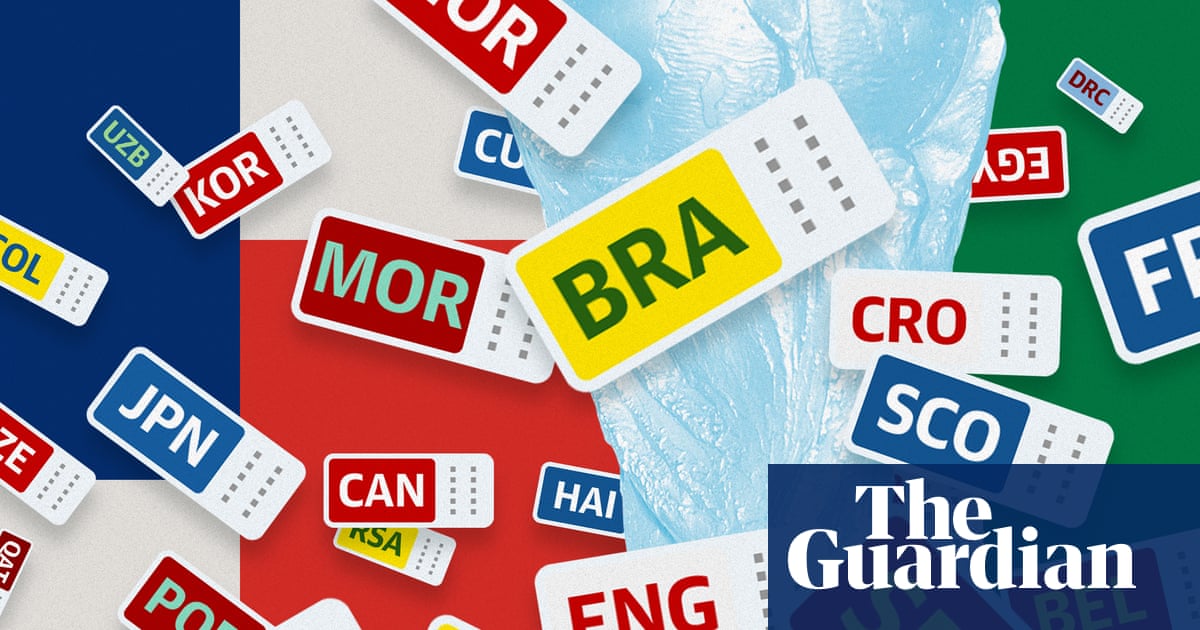
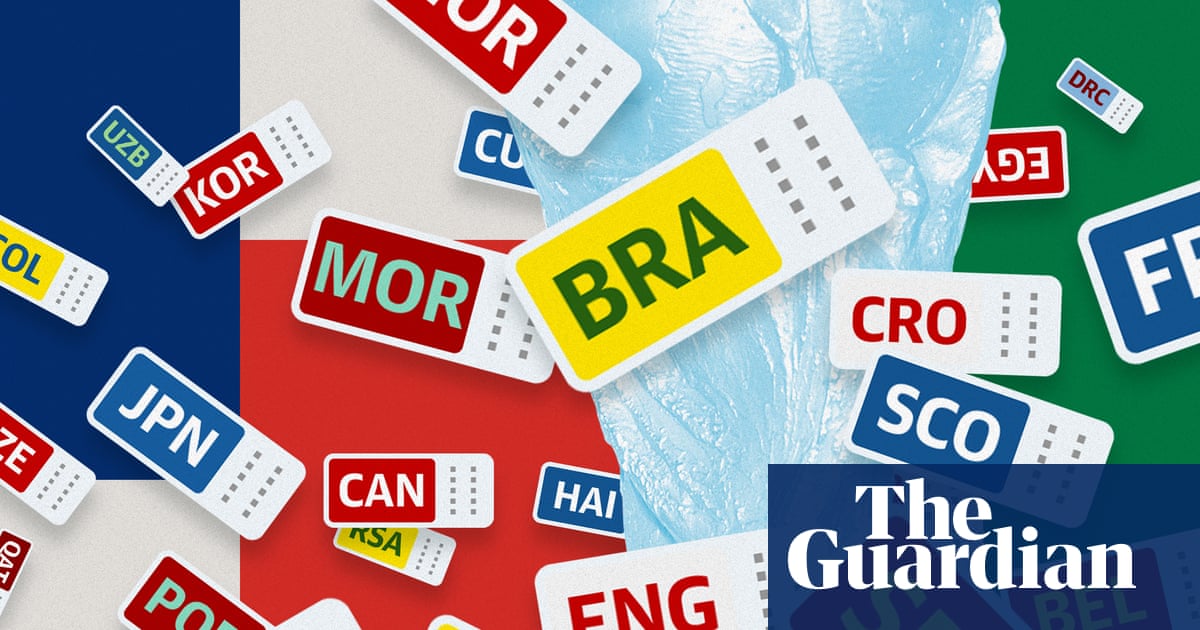
Bracketology: predict a path to World Cup victory. Click your way through the group stage and the knockouts to crown champion
SportAmerican footballassociation footballAlgeriaArgentinaAustraliaAustriaBelgiumBosnia & HerzegovinaBrazilCanadaCape VerdeColombiaCroatiaCzech Rep.Dem. Rep. of CongoEcuadorEgyptFranceGermanyGhanaHaitiIranIraqIvory CoastJapanJordanMexicoMoroccoNetherlandsNew ZealandNorwayPanamaParaguayPortugalQatarSaudi ArabiaSenegalSouth AfricaSouth KoreaSpainSwedenSwitzerlandTunisiaTurkeyUnited KingdomUnited StatesUruguayUzbekistanAfricaAsiaEuropeNorth AmericaOceaniaSouth America
 theguardian.com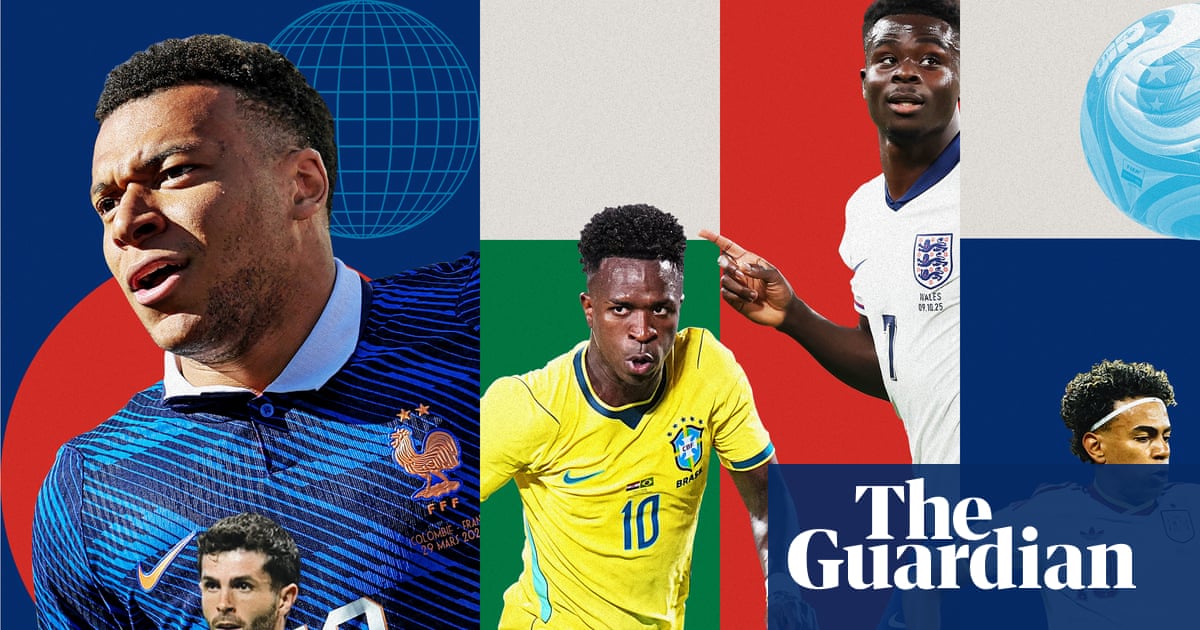
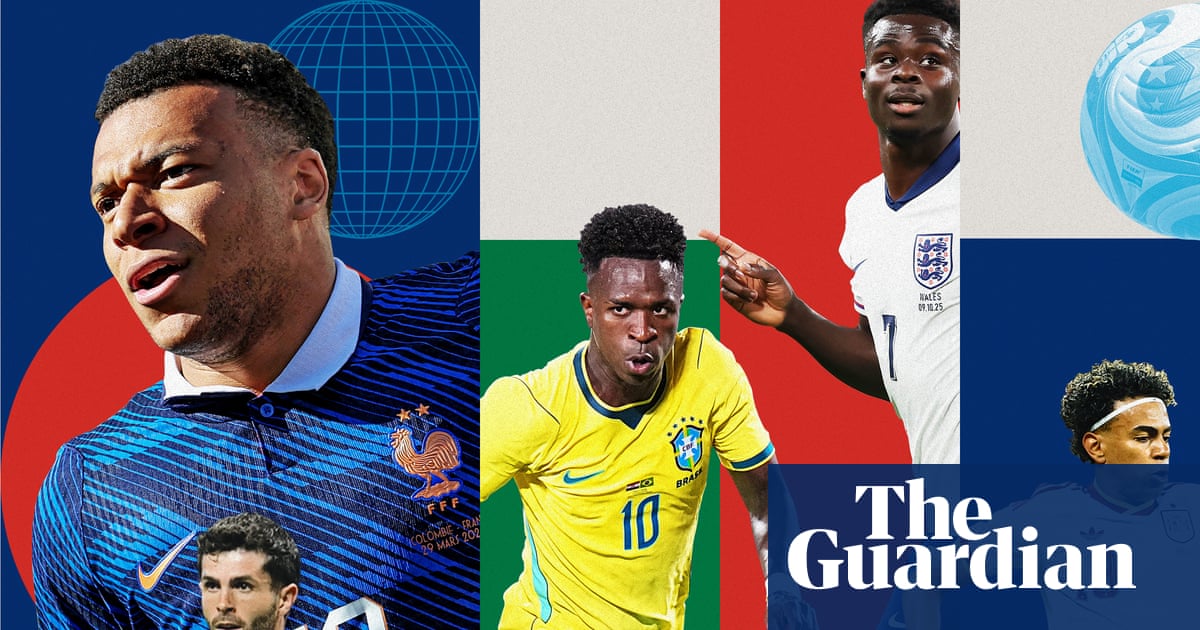
World Cup 2026: guide to all 1,248 players. Everything you need to know (and more) about every squad member. Click on the player pictures for more information
SportAmerican footballassociation footballAlgeriaArgentinaAustraliaAustriaBelgiumBosnia & HerzegovinaBrazilCanadaCape VerdeColombiaCroatiaCubaDem. Rep. of CongoEcuadorEgyptFranceGermanyGhanaHaitiIranIraqIvory CoastJapanJordanMexicoMoroccoNetherlandsNew ZealandNorwayPanamaParaguayPortugalQatarSaudi ArabiaSenegalSouth AfricaSouth KoreaSpainSwedenSwitzerlandTunisiaTurkeyUnited KingdomUnited StatesUruguayUzbekistanAfricaAsiaEuropeNorth AmericaOceaniaSouth Americaassociation football player
 apnews.com


Yiddish. Yiddish, historically Judeo-German or Jewish German, is a West Germanic language historically spoken by Ashkenazi Jews. It originated in the Holy Roman Empire during the Middle Ages, and provided the nascent Ashkenazi community with a vernacular based on High German fused with many elements taken from Hebrew and to some extent Aramaic. Most varieties of Yiddish include elements of Slavic languages, and the vocabulary contains traces of Romance languages. Yiddish has traditionally been written using the Hebrew alphabet.
Romani. Romani is an Indo-Aryan macrolanguage of the Romani people. The largest Romani dialects are Vlax Romani, Balkan Romani (600,000), and Sinte Romani (300,000). Some Romani communities speak mixed languages based on the surrounding language with retained Romani-derived vocabulary ??? these are known by linguists as Para-Romani varieties, rather than dialects of the Romani language itself.


Croatian. Croatian is the standard variety of the Serbo-Croatian language mainly used by Croats. It is the national official language and literary standard of Croatia, one of the official languages of Bosnia and Herzegovina, Montenegro, the Serbian province of Vojvodina, the European Union and a recognized minority language elsewhere in Serbia and other neighbouring countries.


European Union. The European Union (EU) is a political and economic union of 27 member states that are located primarily in Europe. A supranational union with a total area of 4,233,255??km2 (1,634,469??sq??mi) and an estimated population of over 450??million as of 2025, its member states generated a nominal gross domestic product (GDP) of around ???18.802 trillion in 2025, accounting for approximately one sixth of global economic output. The EU is often described as a sui generis political entity combining characteristics of both a federation and a confederation.


Mediterranean Sea. The Mediterranean Sea is an intercontinental sea situated between Europe, Asia, and Africa. It is surrounded by the Mediterranean basin and almost completely enclosed by land: on the east by the Levant in West Asia, on the north by Anatolia in West Asia and Southern Europe, and on the south by North Africa. To its west it is connected to the Atlantic Ocean via the Strait of Gibraltar that separates the Iberian Peninsula in Europe from Morocco in Africa by only 14??km (9??mi); additionally, it is connected to the Black Sea through the Bosporus strait that intersects Turkey in the northeast and the Red Sea via the Suez Canal in the southeast.



Showing 1-24
of 26 items.