- News
- Sport
- Politics
- Sci/Tech
- Showbiz
- Health
- Business
- Art
- Fashion
- Education
- Weather
- Automotive
- Aviation
- Religious
- Crime


Armenian. Armenian is the sole member of an independent branch in the Indo-European language family. It is the native language of the Armenian people and the official language of Armenia. Historically spoken in the Armenian highlands, today Armenian is also widely spoken throughout the Armenian diaspora. Armenian is written in its own writing system, the Armenian alphabet, introduced in 405??AD by Mesrop Mashtots. The estimated number of Armenian speakers worldwide is between five and seven million.


Organization of Ibero-American States. The Organization of Ibero-American States, formally the Organization of Ibero-American States for Education, Science and Culture, is an international organization made up of 23 member states of Iberophone nations in Europe and the Americas, as well as one member in Africa. The OEI's membership is composed of all of the sovereign states of Ibero-America and the Iberian Peninsula, as well as Equatorial Guinea. All members are Portuguese and Spanish speaking nations, in addition to Andorra, which is predominantly Catalan speaking, though the organization does not include all the Iberophone nations of the world.

Yiddish. Yiddish, historically Judeo-German or Jewish German, is a West Germanic language historically spoken by Ashkenazi Jews. It originated in the Holy Roman Empire during the Middle Ages, and provided the nascent Ashkenazi community with a vernacular based on High German fused with many elements taken from Hebrew and to some extent Aramaic. Most varieties of Yiddish include elements of Slavic languages, and the vocabulary contains traces of Romance languages. Yiddish has traditionally been written using the Hebrew alphabet.


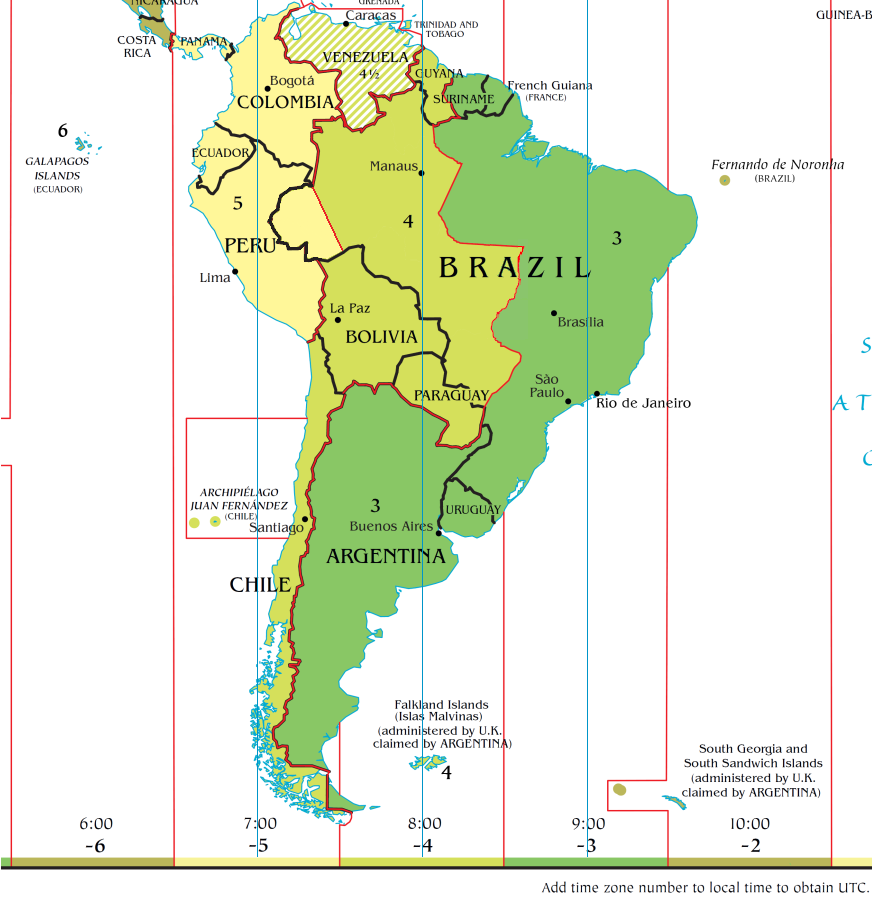


Spanish. Spanish or Castilian is a Romance language of the Indo-European language family that evolved from the Vulgar Latin spoken on the Iberian Peninsula of Europe. It originated in the Kingdom of Castile, a historical kingdom in north-central Spain. Today, it is a global language with 519 million native speakers, mainly in the Americas and Spain, and about 636 million speakers total, including second-language speakers. Spanish is the official language of 20 countries, as well as one of the six official languages of the United Nations. Spanish is the world's second-most spoken native language after Mandarin Chinese; the world's fourth-most spoken language overall after English, Mandarin Chinese, and Hindustani (Hindi-Urdu); and the world's most widely spoken Romance language. The country with the largest population of native speakers is Mexico.


Showing 1-24
of 32 items.